Medical Oxygen Concentrators: Benefits, Uses, and How They Work?
Breathing is life, but for millions of people with respiratory conditions, this simple act can be a daily struggle. Thankfully, modern technology offers a reliable solution: medical oxygen concentrators. These remarkable devices have revolutionized home oxygen therapy, providing a safe, convenient, and cost-effective way to manage respiratory health.
This comprehensive guide will explore everything you need to know about these essential respiratory support devices. We'll delve into how they work, their primary uses, the significant benefits they offer, and how to choose the right equipment from a trusted provider like Warrior Services Company.
What Exactly is a Medical Oxygen Concentrator?
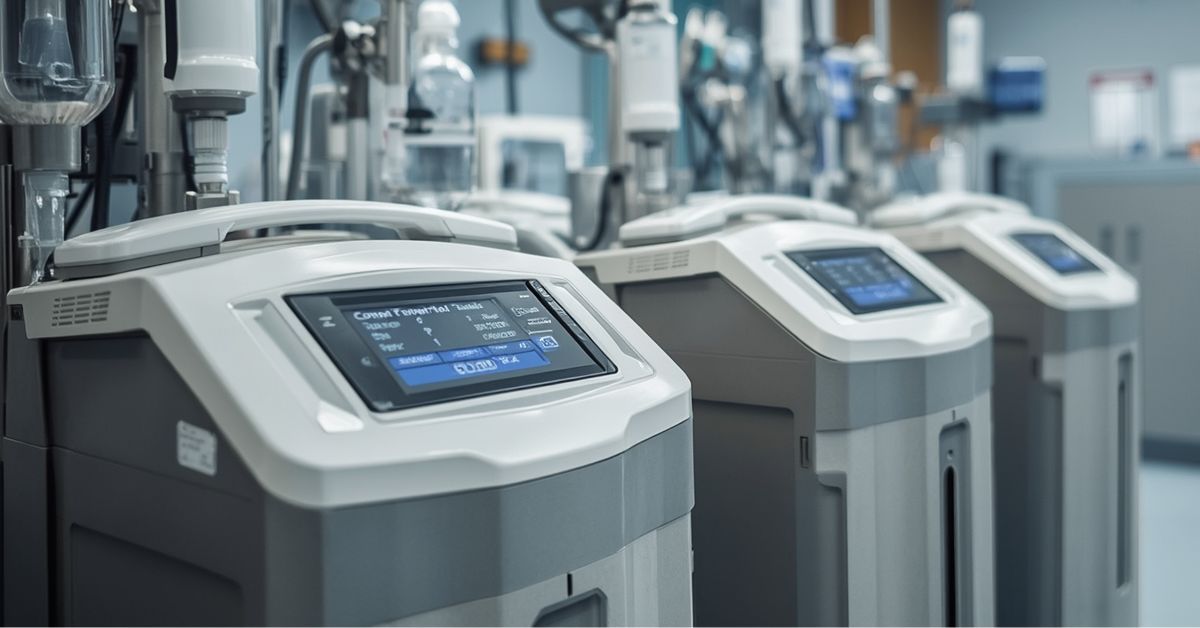
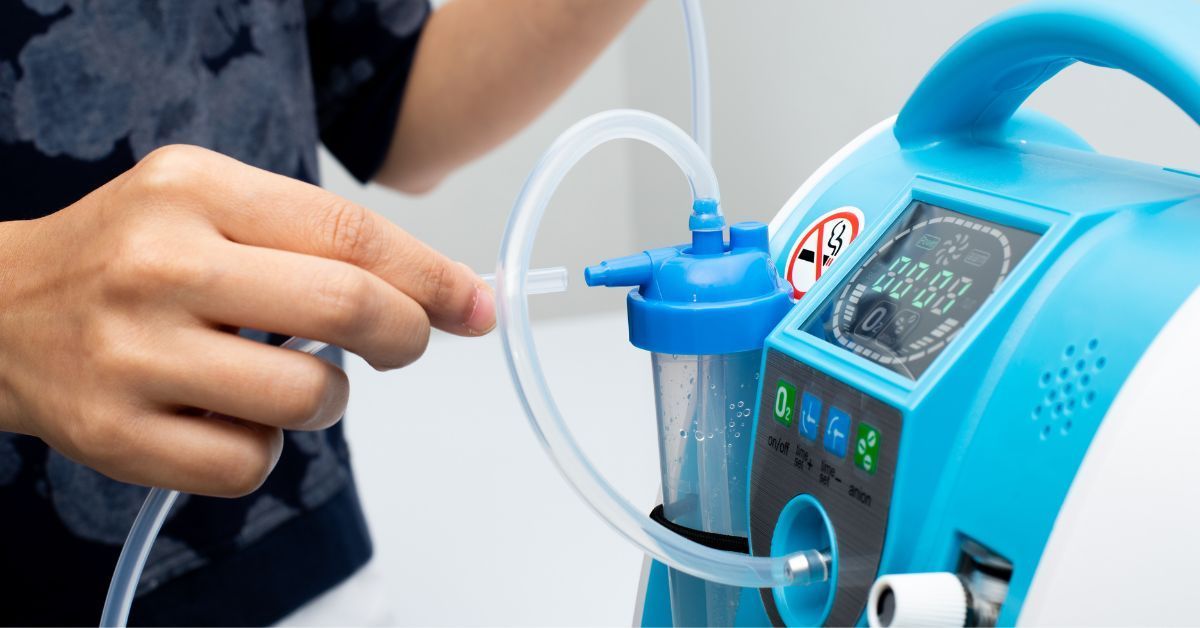
A medical oxygen concentrator is an electrically powered device that draws in ambient air, separates the oxygen from other gases, and delivers concentrated, medical-grade oxygen to a patient. Unlike traditional oxygen tanks that store a finite amount of compressed oxygen, a concentrator produces its own supply on demand.
This key difference makes it a cornerstone of modern
oxygen therapy equipment. It eliminates the need for heavy tanks and the hassle of frequent refills, giving you more freedom and peace of mind.
How Do Oxygen Concentrators Work? The Science Simplified
The process behind an oxygen concentrator is a marvel of engineering, yet it's based on a straightforward principle. The air we normally breathe is composed of roughly 78% nitrogen, 21% oxygen, and 1% other gases.
A concentrator's job is to filter out the nitrogen to deliver air that is over 90% pure oxygen. Here’s a step-by-step breakdown:
Intake: The device pulls in air from the surrounding room through a filter.- Compression: An internal compressor pressurizes the air, preparing it for separation.
- Filtration: The compressed air is then forced into one of two cylindrical chambers called sieve beds. These beds are filled with a crystalline material called zeolite.
- Nitrogen Adsorption: Zeolite has a unique property: under pressure, it adsorbs (traps) nitrogen molecules while allowing oxygen molecules to pass through freely.
- Delivery: The highly concentrated oxygen is collected in a reservoir and delivered to the patient through a nasal cannula or mask at a prescribed flow rate.
- Purge Cycle: While one sieve bed is producing oxygen, the other is depressurized, releasing the trapped nitrogen back into the room air. This cycle alternates continuously, ensuring an uninterrupted medical oxygen supply.
Key Benefits: Why Choose an Oxygen Concentrator?
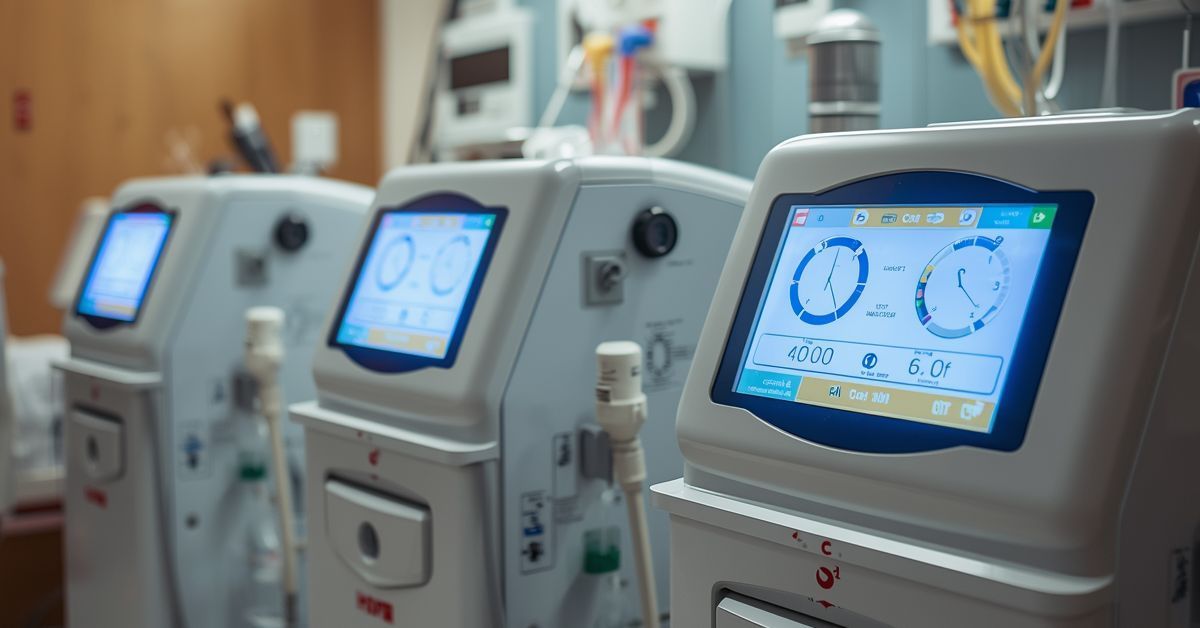
The advantages of using a modern oxygen concentrator are significant, directly impacting a patient's health, lifestyle, and finances. The primary benefits of the oxygen machine make it a superior choice for long-term therapy.
Unmatched Safety: Concentrators produce oxygen on demand, eliminating the risks of storing highly pressurized oxygen tanks, which can pose a fire hazard if mishandled.- Cost-Effectiveness: While the initial investment may be higher, concentrators save money over time. There are no recurring costs for oxygen refills, making them a financially sustainable option for long-term users.
- Convenience and Reliability: As long as there is a power source, a concentrator provides an endless supply of oxygen. This removes the anxiety of running out of oxygen or waiting for a delivery.
- Increased Mobility: The development of the portable oxygen concentrator (POC) has been a game-changer. These lightweight, battery-powered units allow patients to leave their homes, travel, and maintain an active lifestyle.
- Ease of Use: Modern breathing support equipment is designed with the user in mind. Concentrators are simple to operate, with intuitive controls and minimal maintenance requirements.
Common Oxygen Concentrator Uses: Who Needs One?
Oxygen concentrators are prescribed by healthcare professionals for patients with conditions that cause hypoxemia (low blood oxygen levels). They are a critical component of treatment for a wide range of chronic and acute respiratory illnesses.
The most common oxygen concentrator uses include managing conditions such as:
Chronic Obstructive Pulmonary Disease (COPD): This is the most frequent reason for prescribing home oxygen therapy.- Severe Asthma: For individuals who experience frequent and severe asthma attacks that impact oxygen levels.
- Pulmonary Fibrosis: A lung disease that occurs when lung tissue becomes damaged and scarred, impairing oxygen exchange.
- Cystic Fibrosis: A genetic disorder that can cause severe damage to the lungs.
- Sleep Apnea: In some severe cases, supplemental oxygen is used alongside a CPAP machine to maintain blood oxygen saturation during sleep.
- Post-Surgical Recovery: Sometimes used short-term to support breathing after major surgery.
- COVID-19 Recovery: Patients recovering from severe COVID-19 pneumonia may require supplemental oxygen at home to aid their recovery.
Types of Medical Oxygen Concentrators: Home vs. Portable
Choosing the right type of concentrator depends entirely on a patient's medical needs and lifestyle. The two main categories are home units and portable units.
Home Oxygen Concentrators
These are larger, stationary units designed for use within the home. They are typically on wheels for easy movement between rooms and plug into a standard electrical outlet. Their main advantage is the ability to provide a high, continuous flow of oxygen (often up to 10 liters per minute), making them ideal for patients with significant oxygen needs, especially during sleep.
Portable Oxygen Concentrators (POCs)
A portable oxygen concentrator is a small, lightweight device that runs on rechargeable batteries. It's designed for active users who want the freedom to go shopping, visit family, or travel. Most POCs operate on a "pulse dose" delivery, which provides a burst of oxygen when the user inhales, conserving battery life. Some larger portable models also offer a continuous flow option.
Partnering with a Trusted Supplier: Why It Matters
When it comes to your health, the quality and reliability of your oxygen therapy equipment are non-negotiable. Choosing a reputable supplier is as important as choosing the right machine. A trusted partner does more than just sell a product; they provide a comprehensive support system.
Companies like
Warrior Services Company stand out in the field of medical oxygen supply. They demonstrate a commitment to patient well-being by offering high-quality, expert guidance to help you select the right device based on your prescription, and robust after-sales support, including maintenance and troubleshooting. Entrusting your respiratory care to an experienced provider ensures you receive safe, effective, and reliable breathing support
equipment.
Conclusion: Breathing Easier with Modern Oxygen Therapy
Medical oxygen concentrators have fundamentally improved the quality of life for individuals with respiratory conditions. By providing a safe, continuous, and portable source of oxygen, these devices empower patients to manage their health with greater independence and confidence.
Whether you need a powerful home unit for around-the-clock support or a lightweight portable oxygen concentrator for an active lifestyle, the technology exists to meet your needs. By working with your doctor and a trusted supplier, you can
find the perfect solution
to help you breathe easier and live life more fully.