
Different Types of Patient Lifts for Safe and Easy Patient Care

When caring for someone with limited mobility, patient lifts make all the difference between safe transfers and possible injuries. Understanding the different types of patient lifts helps caregivers and families choose equipment that meets specific requirements. The right lift helps improve the safety and dignity of patients who need help moving within the home care or healthcare facility.
Why Should Patient Lifts Important for Safe Patient Handling?
Patient lifts reduce injury risk for both patients and caregivers during transfers. Manual lifting strains caregivers' backs, shoulders, and knees, often causing serious injuries. For patients, being manually lifted feels undignified and uncomfortable. Mechanical lifts address both problems simultaneously.
The types of patient lifts offer solutions for virtually every transfer situation. Whether moving someone from bed to wheelchair, helping them bathe safely, or assisting after a fall, specialized equipment makes these tasks manageable and safe. Benefits of using proper patient lift equipment:
Prevents Caregiver Injuries:
Eliminates dangerous manual lifting
Protects Patient Safety: Secure harness systems prevent falls
Maintains Dignity: Comfortable transfer process respects patient autonomy
Increases Independence: Some lifts allow patients to initiate transfers themselves
Reduces Staffing Needs: One caregiver can safely handle transfers that previously required two
Improves Efficiency: Faster, smoother transfers in busy healthcare settings
Types of Manual and Powered Patient Lifts
Hydraulic Patient Lifts
Hydraulic patient lifts are a type of manual lift that use a pump mechanism to raise and lower patients smoothly. They offer greater control than basic manual systems while remaining cost-effective. These lifts are commonly used in nursing homes and rehabilitation centers where moderate transfer frequency is expected.
Electric Patient Lifts
Electric patient lifts use motorized systems controlled by handheld remotes to provide consistent, effortless lifting. They are well suited for hospitals and long-term care facilities, especially when transferring patients with limited mobility or higher weight requirements.
Floor-Based Patient Lift Systems
Traditional floor-based lifts remain the most commonly used patient lift type. These mobile units include a wheeled base, vertical mast, and lifting boom that supports a sling during transfers.
Full-Body Sling Lifts
Full-body sling lifts provide complete patient support for individuals who cannot bear weight. The sling wraps around the torso and legs, making these lifts ideal for transfers between beds, wheelchairs, and toilets.
Sit-to-Stand Lifts
Sit-to-stand lifts assist patients who can bear partial weight. These systems support patients at the arms and knees, helping them transition from sitting to standing positions. They are frequently used in rehabilitation and physical therapy settings to encourage mobility.
Ceiling-Mounted Patient Lift Systems
Ceiling-mounted patient lifts use permanently installed overhead tracks that allow smooth transfers along fixed pathways. These systems are ideal for environments with frequent transfer needs and limited floor space.
Healthcare facilities benefit from ceiling lifts because they reduce equipment clutter, improve room accessibility, and minimize tripping hazards while maintaining safe and efficient patient movement.
Specialized Patient Lift Equipment
Bath lifts lower patients safely into tubs and raise them out after bathing. These waterproof devices attach to the edges of tubs or sit on tub bottoms and operate via battery power or water pressure. Bath lifts restore bathing independence for many users.
Bariatric patient lifts accommodate individuals exceeding standard weight limits. These heavy-duty systems feature reinforced construction, wider slings, and higher weight capacities reaching 1,000 pounds.
Proper equipment selection ensures safe handling regardless of patient size.
Choosing the Right Patient Lift Equipment
Patient's Mobility Level: Full support vs. partial weight-bearing capability.
Weight Capacity Needs: Standard vs. bariatric requirements
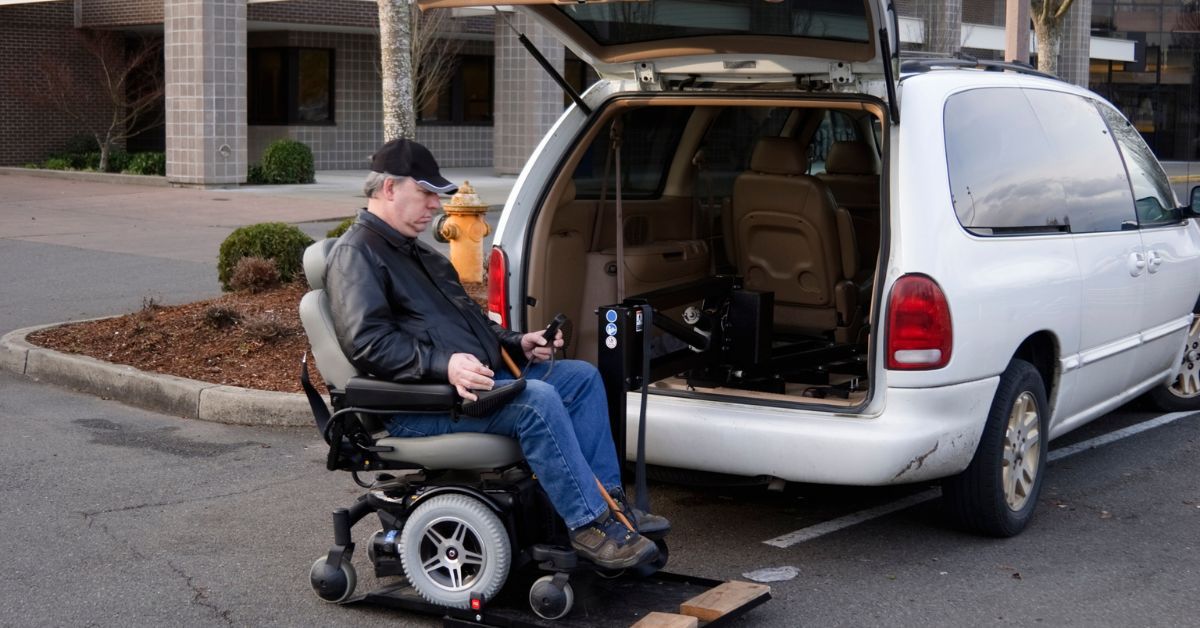
Transfer Locations: Bed, bathroom, vehicle access
Frequency of Use: Occasional home care vs. multiple daily transfers
Caregiver Strength: Manual operation vs. powered assistance preferred
Space Constraints: Floor-based portability vs. ceiling-mounted permanent installation
At
Warrior Service Company, we help determine which types of patient lifts best match your specific situation. Our veteran-founded company understands the importance of equipment that delivers reliable performance when needed most.
Safety Considerations for Patient Lift Use
Proper training ensures safe operation. All caregivers should understand sling selection, attachment procedures, and emergency lowering mechanisms. Regular equipment inspection catches wear before it causes problems. Safety features like emergency stop buttons and manual backup systems provide additional protection.
Slings must match both the lift and the patient's weight. Using incorrect slings or damaged equipment creates serious safety hazards. Always follow manufacturer guidelines for maximum weight limits and proper use procedures.
Frequently Asked Questions About Different Types of Patient Lifts
What are the Main Different Types of Patient Lifts Available for Home and Healthcare Use?
The main types of patient lifts include manual hydraulic floor lifts, electric powered floor lifts, sit-to-stand lifts for partially mobile patients, ceiling-mounted track systems for permanent installations, bath lifts for tub transfers, and bariatric lifts for higher weight capacities. Each type serves specific transfer needs and patient mobility levels, from full-body support to partial weight-bearing assistance.
How Do I Know Which Type of Patient Lift is Right for My Situation?
Consider the patient's mobility level and weight, the transfer locations needed, how often you'll use the lift, the caregiver's physical capabilities, and available space. Patients requiring full support need traditional sling lifts, while partially mobile individuals may use sit-to-stand models. Home care with occasional use suits manual lifts, while healthcare facilities benefit from powered systems. Consult with medical equipment specialists to assess your specific needs.
Does Insurance or Medicare Cover Patient Lift Equipment for Home Use?
Medicare Part B covers patient lifts deemed medically necessary by a doctor, typically paying 80% of approved costs after the deductible. The lift must be prescribed for home use, and documentation must prove medical necessity. Coverage typically requires that the patient cannot get up from bed or a chair without assistance, and that using a lift is safer than manual transfer. Contact Medicare or your insurance provider to verify coverage before acquiring equipment.