How Does an Oxygen Machine Work to Improve Breathing?
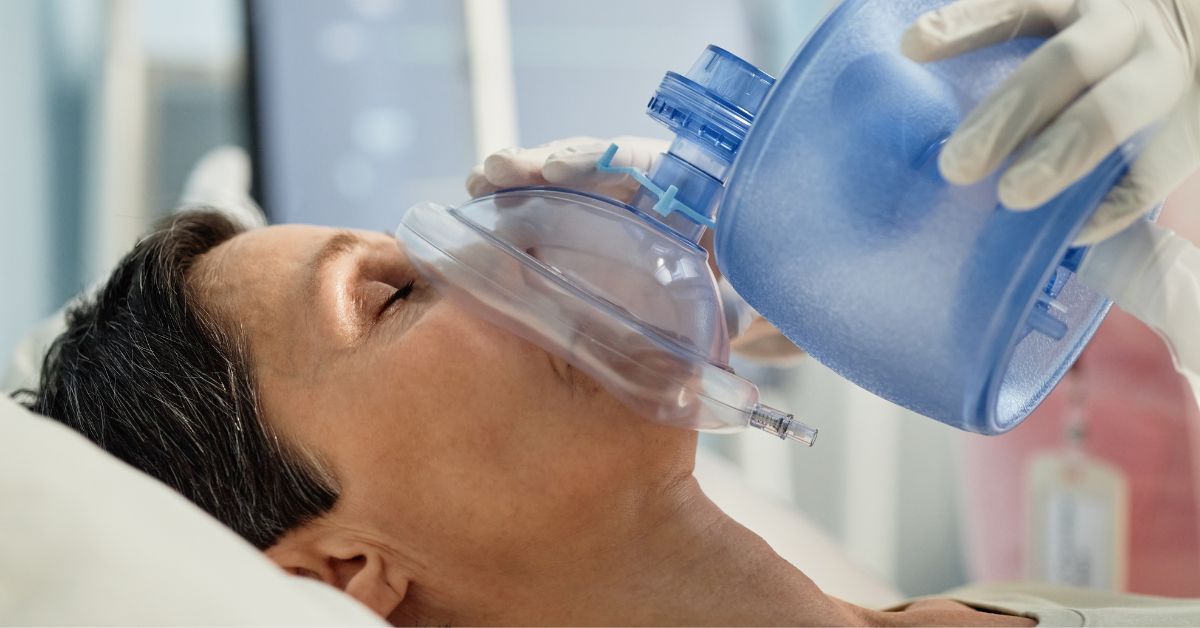
Breathing is something most of us take for granted until it become difficulties. For individuals with chronic respiratory diseases, an oxygen machine can be a lifesaver. Understand how these medical devices can help patients make decisions regarding oxygen therapy.
If you've been prescribed supplemental oxygen, you likely have questions abouthow does an oxygen machine works. At Warrior Services Company, we provide veterans and civilians with the medical equipment knowledge they need to breathe easier.
Understand Oxygen Concentrators and How They Function
An oxygen machine, more precisely called an oxygen concentrator, extracts oxygen from ambient air and delivers it at higher concentrations than what we normally breathe. Room air contains approximately 21% oxygen, but oxygen concentrators deliver oxygen at 87% to 95% concentration.
Supplemental oxygen therapy helps people with chronic lung diseases maintain adequate oxygen levels to support normal organ function.
The Science Behind Oxygen Concentration
Oxygen concentrators use Pressure Swing Adsorption (PSA) to separate oxygen from other gases. The machine pulls in air, compresses it, and passes it through zeolite molecular sieves that trap nitrogen while allowing oxygen through. The concentrated oxygen flows to the patient while nitrogen is released back into the atmosphere. This continuous cycle ensures patients receive steady medical-grade oxygen without tank refills. Ouroxygen therapy services provide comprehensive support for patients transitioning to oxygen concentrators.
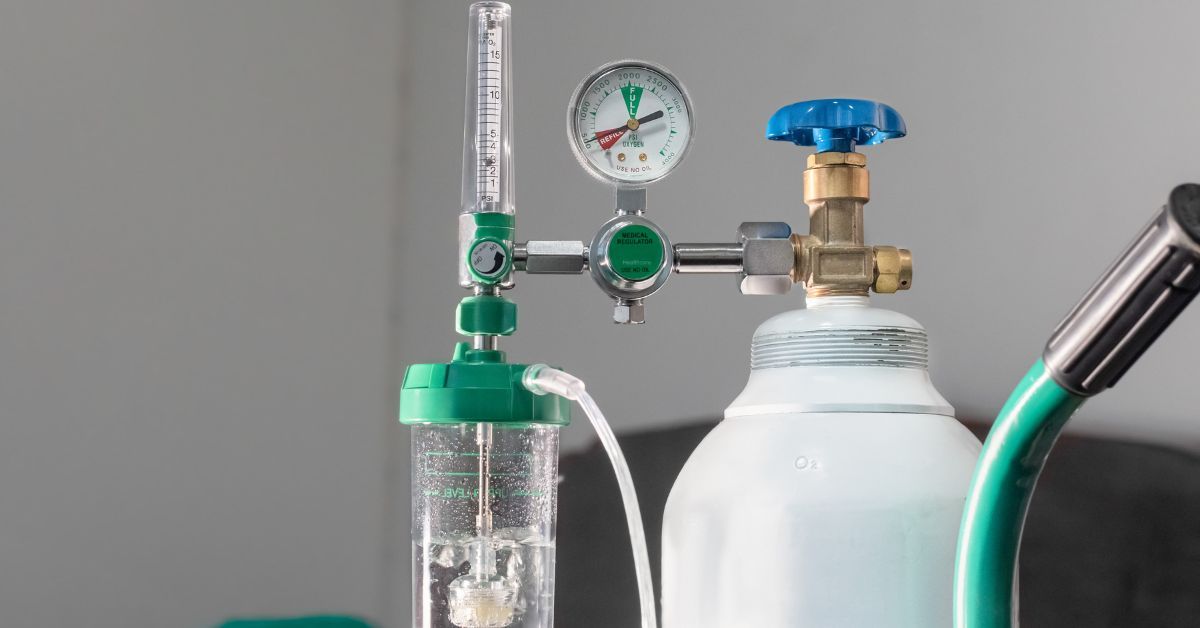
Types of Oxygen Machines Available Today
Not all oxygen machines are created equal. Understanding how does an oxygen machine works? and differences help patients select equipment that matches their lifestyle and medical requirements.
Stationary Oxygen Concentrators
Stationary units remain in one location, typically the bedroom or living room. These devices deliver continuous oxygen flow at 1 to 10 liters per minute, operate on standard electrical outlets, weigh 30 to 50 pounds, and provide a reliable, unlimited oxygen supply for home use.
Oxygen therapy effectiveness confirms that home oxygen concentrators significantly improve the quality of life for patients with chronic respiratory conditions.
Portable Oxygen Concentrators
Portable units revolutionize oxygen therapy by offering freedom and mobility. These compact devices:
- Weigh between 4 and 10 pounds, depending on the model
- Run on rechargeable batteries for 4 to 10 hours
- Deliver oxygen via pulse dose or continuous flow
- Meet FAA requirements for air travel
- Allow patients to maintain active lifestyles
Our durable medical equipment specialists help patients select portable concentrators that match their oxygen requirements and activity levels.
Who Benefits From Oxygen Machine Therapy?
Multiple medical conditions require supplemental oxygen support. Several conditions in which oxygen concentrators provide therapeutic benefits.
- Chronic Obstructive Pulmonary Disease (COPD): The most common reason for oxygen therapy, COPD damages lung tissue over time.
- Pulmonary Fibrosis: Lung scarring reduces oxygen absorption, requiring supplemental oxygen to maintain adequate blood oxygen levels.
- Heart Failure: Supplemental oxygen reduces workload on the cardiovascular system.
- Sleep Apnea: Some patients require oxygen therapy in addition to CPAP.
- COVID-19 Recovery: Many patients benefit from temporary oxygen therapy during rehabilitation.
Veterans often face higher respiratory conditions due to service-related exposures. Our veteran-focused healthcare services understand the unique needs of those who served.
Key Components That Make Oxygen Machines Work
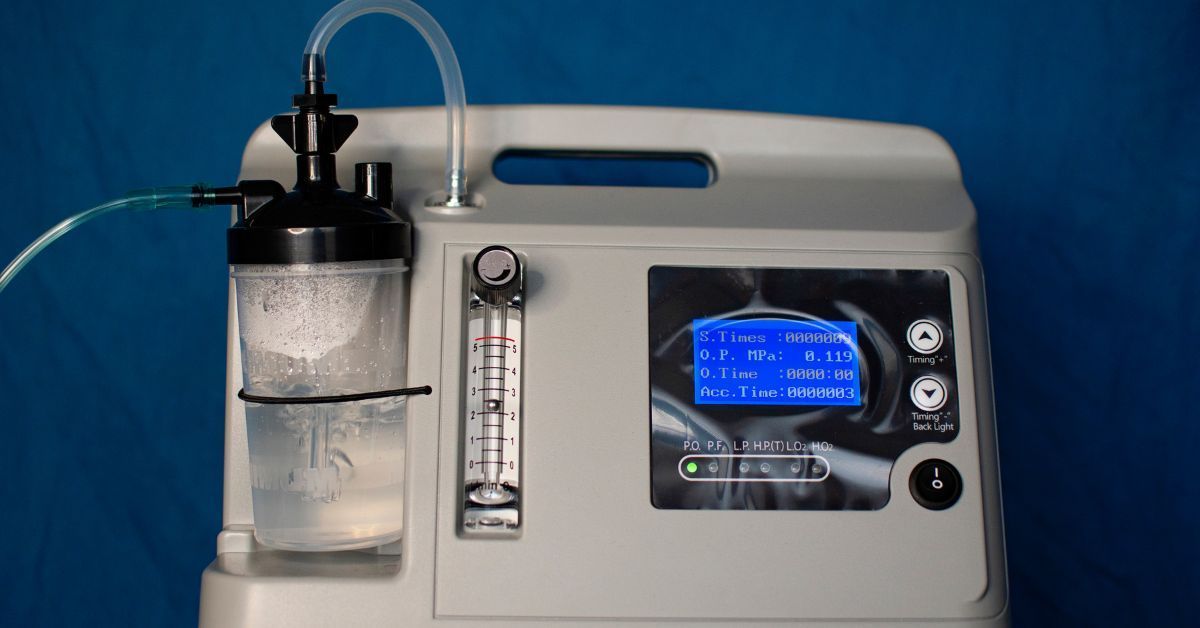
Modern oxygen concentrators include several critical components: a compressor that pressurizes air, molecular sieve beds with zeolite crystals that separate oxygen from nitrogen, a product tank for oxygen storage, a flow meter to control delivery rate, oxygen sensors for purity monitoring, and cooling systems to manage heat. Regular maintenance through our medical equipment services keeps these components functioning optimally.
Safety Considerations When Using Oxygen Machines
While oxygen is not flammable, it supports combustion, making safety protocols essential with comprehensive guidance on safe oxygen use.
Keep
oxygen equipment
at least 5 feet from flames, candles, and smoking materials. Plug concentrators directly into grounded wall outlets, never extension cords. Store backup cylinders upright and secured, away from heat. Clean filters regularly according to the manufacturer's instructions. Our team provides thorough training on safe oxygen use before equipment delivery. Understanding how does an oxygen machine work? empowers patients to participate in their respiratory care. At
Warrior Services Company, we provide veterans and civilians with quality medical equipment and education. Contact our team for personalized oxygen therapy solutions.
Frequently Asked Questions About How Does an Oxygen Machine Work!
How Does an Oxygen Machine Work Differently from Oxygen Tanks?
Oxygen machines continuously generate oxygen from ambient air using molecular sieve technology, while oxygen tanks store compressed or liquid oxygen that eventually runs out and must be refilled. Oxygen concentrators eliminate the need for tank deliveries and provide unlimited oxygen as long as electrical power is available, making them more convenient for long-term therapy.
Can You Use an Oxygen Machine 24 Hours Per Day Safely?
Yes, modern oxygen concentrators are designed for continuous 24-hour operation and include thermal protection systems to prevent overheating. Patients requiring round-the-clock oxygen therapy should use stationary concentrators at home with portable backup units for mobility. Our homecare solutions ensure patients have appropriate equipment configurations for their needs.
What Maintenance Do Oxygen Machines Require to Work Properly?
Oxygen concentrators require weekly filter cleaning or replacement, monthly external cleaning with damp cloths, and annual professional servicing to inspect internal components and verify oxygen purity levels. Most manufacturers recommend professional maintenance every 12 months, and our equipment support services provide scheduled maintenance to ensure optimal performance and patient safety.