Silver Star Banner Day: Honoring the Sacrifice of Wounded and Ill Veterans
Each year on May 1st, we observe Silver Star Banner Day, a crucial but often overlooked military recognition day. This day is dedicated to honoring the immense sacrifices of our nation's service members who have been wounded, injured, or have fallen ill in a war zone. It is a time to reflect on the ongoing battles these heroes face long after they leave the battlefield.
Unlike other military holidays,
Silver Star Banner Day specifically focuses on the living, breathing legacy of sacrifice. It acknowledges that for many veterans, the cost of freedom is a lifelong journey of recovery, adaptation, and resilience. This day provides a powerful opportunity for communities to rally around these individuals and their families, offering the support they have so profoundly earned.
The History and Meaning of the Silver Star Banner
The tradition of service banners in America dates back to World War I. You may be familiar with the Blue Star Banner, which indicates a family has a member actively serving, and the Gold Star Banner, which tragically signifies a service member killed in action. The Silver Star Banner fills a critical space between these two, representing those who have been wounded or become ill during combat operations.
The Silver Star Banner was established by the Silver Star Families of America (SSFOA), a non-profit organization
dedicated to supporting
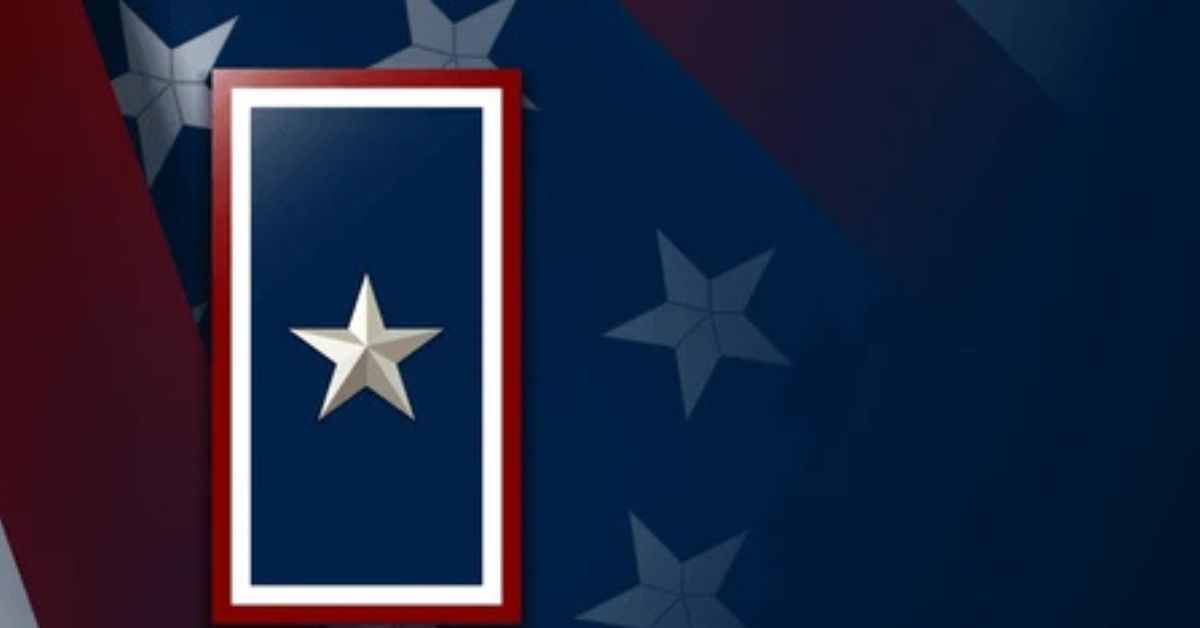
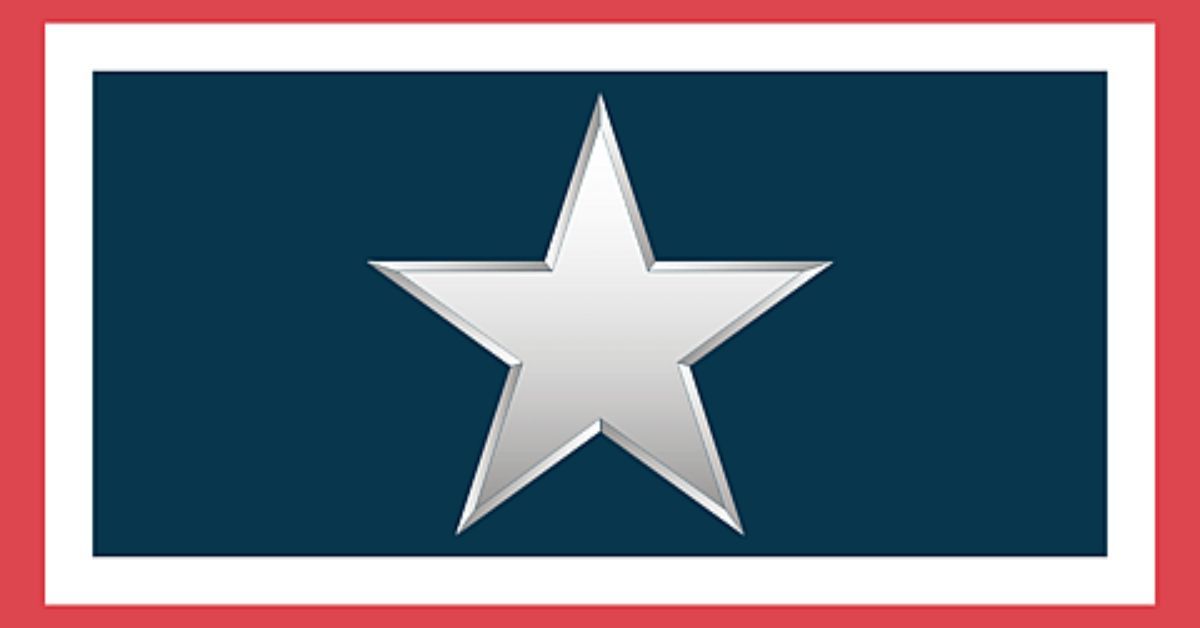
and recognizing our wounded heroes. The banner itself features a silver star on a blue field, framed by a red border. Each element is symbolic: the silver star represents the veteran's sacrifice and the visible or invisible wounds they carry.
This banner is not just a piece of cloth; it is a testament to courage and a visible reminder of the human cost of conflict. It stands for every veteran who has shed blood, suffered injury, or contracted a serious illness while defending our nation's freedoms.
Why is Silver Star Banner Day Crucial for Injured Veterans Awareness?
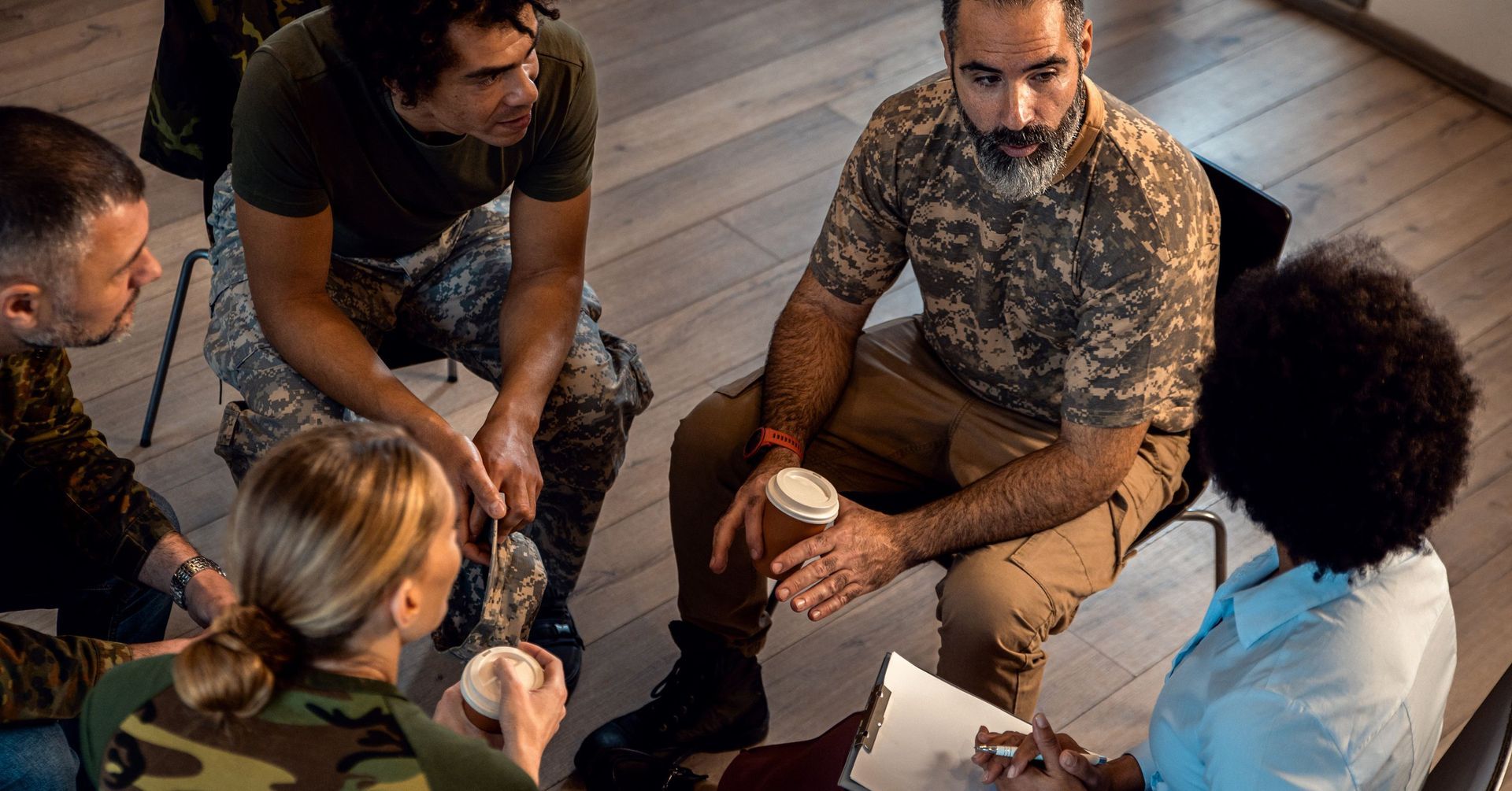
The importance of injured veterans' awareness cannot be overstated. While physical wounds are often visible, many veterans return with "invisible wounds" such as Post-Traumatic Stress Disorder (PTSD), Traumatic Brain Injury (TBI), and other mental health challenges. These conditions can be debilitating, affecting every aspect of a veteran's life, from their relationships to their ability to hold a job.
Silver Star Banner Day shines a spotlight on these struggles. It encourages a deeper national conversation about the comprehensive care our veterans need. True military appreciation extends beyond parades and thank-yous; it involves understanding and addressing the complex medical, psychological, and social challenges that wounded warriors face.
By officially recognizing this day, we validate their experiences and combat the stigma that can prevent
veterans from seeking help. It is a powerful statement that their sacrifice is not forgotten and their ongoing battles are seen and honored.
Distinguishing Between the Silver Star Banner and the Silver Star Medal
It is essential to understand the distinction between the Silver Star Banner and the Silver Star Medal, as they represent different forms of recognition. Confusing the two can diminish the unique meaning of each.
The Silver Star Banner is a symbol of sacrifice for being wounded or ill in combat, provided to veterans and their families. The Silver Star Medal, conversely, is a prestigious military decoration awarded for gallantry in action.
The Silver Star Banner: A symbol presented to any service member who was wounded or became ill in a combat zone. It is about the sacrifice of one's health.- The Silver Star Medal: The third-highest military combat decoration awarded for "gallantry in action against an enemy of the United States." It is about a specific act of valor.
While both are symbols of incredible honor and courage, they serve different purposes. Silver Star Banner Day is specifically for those honored with the banner, recognizing the enduring consequences of their service-related injuries and illnesses.
How to Observe Silver Star Banner Day and Show Your Support
Showing support on May 1st can take many forms, from personal gestures to organized community events. Meaningful community support for veterans is vital to helping wounded heroes feel seen and valued. Here are a few ways you can participate:
Raise Awareness: Share information about Silver Star Banner Day on social media using hashtags like #SilverStarBannerDay and #HonoringWoundedVeterans. Explain its meaning to friends and family.- Display a Banner: If you are a veteran who qualifies, or the family of one, proudly display the Silver Star Banner at your home or business.
- Support Veteran Organizations: Donate your time or resources to reputable non-profits that provide veteran support services. Look for groups that focus on healthcare, mental health, and career transition.
- Listen and Learn: Take the time to listen to the stories of wounded veterans in your community. Understanding their experiences is a profound form of respect and appreciation.
- Contact Local Officials: Encourage your mayor or governor to issue a proclamation officially recognizing May 1st as Silver Star Banner Day in your city or state.
Essential Veteran Support Services and Care Programs
The journey for a wounded veteran does not end when they return home. They often require a lifetime of care and a robust support system. Comprehensive veteran care programs are essential for their well-being and successful transition back to civilian life.
Key areas of support include:
Medical and Rehabilitative Care: Access to specialized medical treatments, physical therapy, and adaptive technologies through the VA and other healthcare providers.- Mental Health Services: Counseling, therapy, and support groups for conditions like PTSD, anxiety, and depression are critically important.
- Vocational and Career Support: Assistance with job training, resume building, and career placement. A dedicated warrior services company, for example, can provide specialized transition assistance to help veterans find meaningful employment that leverages their unique skills.
- Family and Caregiver Support: Resources for the spouses, children, and caregivers who are an integral part of a veteran's recovery journey.
These services form a network of care that empowers veterans to overcome challenges and lead fulfilling lives. Supporting organizations that provide these programs is a direct way to honor the spirit of Silver Star Banner Day.
The Role of Silver Star Families of America
The driving force behind this day of recognition is the Silver Star Families of America (SSFOA). Founded in 2004, this all-volunteer, non-profit organization has been instrumental in raising awareness and ensuring that the sacrifices of our wounded and ill service members are never forgotten.
The SSFOA provides Silver Star Banners and care packages to wounded veterans and their families at no cost. Their mission is rooted in the belief that these heroes deserve a visible symbol of our nation's gratitude. By lobbying for state and national recognition of May 1st, they have cemented Silver Star Banner Day as a permanent fixture of military appreciation.
A Year-Round Commitment to Honoring Wounded Veterans
While Silver Star Banner Day is a focal point, our commitment to honoring wounded veterans must be a year-round endeavor. Their sacrifices are permanent, and so too should be our gratitude and support. The challenges they face do not fade on May 2nd.
Let this day serve as a reminder to check in on the veterans in your life, to volunteer at a local VA hospital, to support legislation that improves veteran care, and to foster a community that welcomes and empowers our returning heroes. By doing so, we give true meaning to the words "thank you for your service" and honor the profound cost of the freedoms we all enjoy.