Veteran Home Accessibility: Improving Safety and Independence
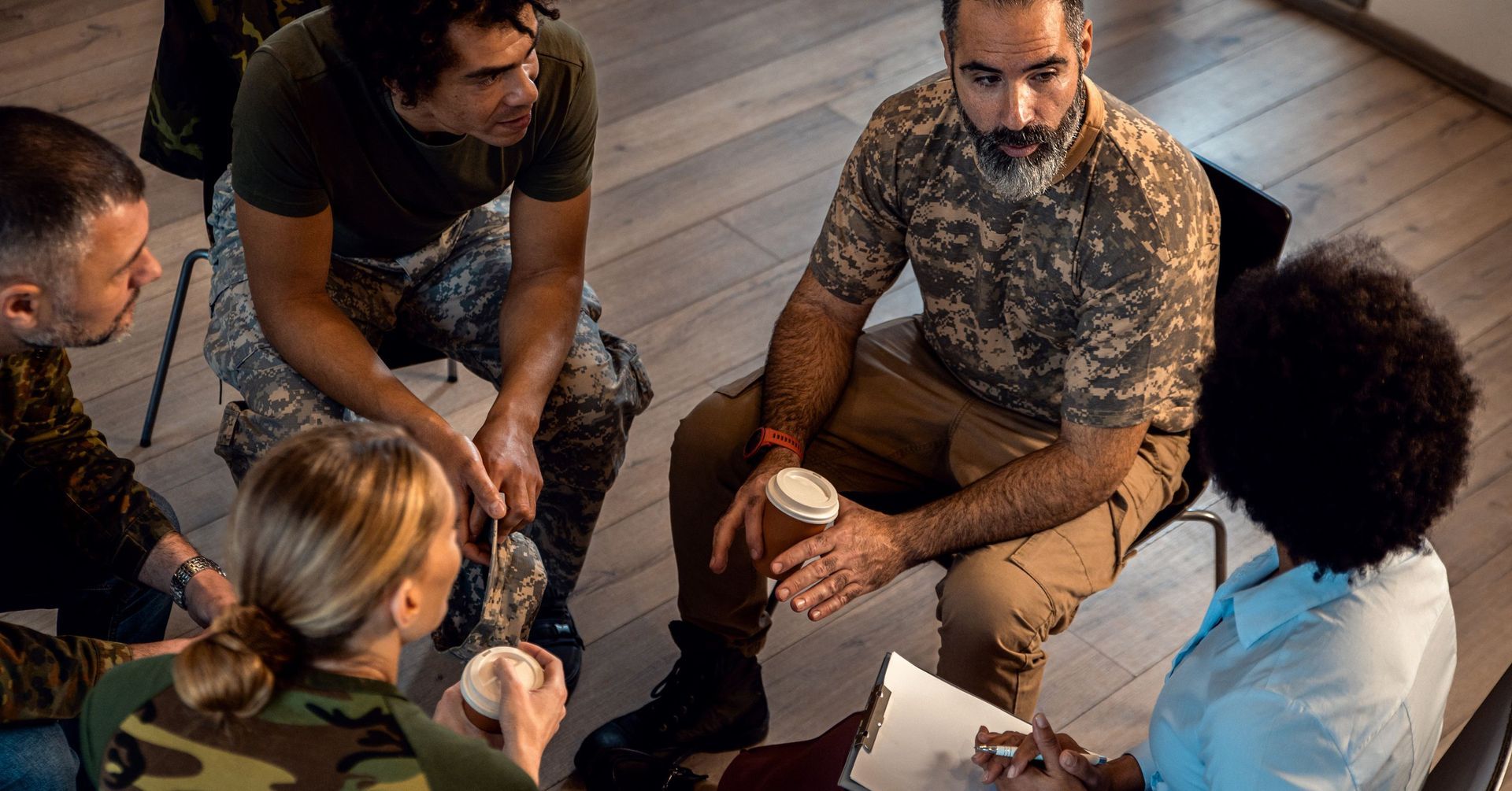
Our nation's heroes deserve to live with dignity, safety, and independence in the comfort of their own homes. For many veterans, service-related injuries, mobility challenges, or the natural process of aging can turn a familiar home into a place of obstacles. This is where veteran home accessibility becomes not just a convenience, but a necessity.
Accessible home modifications are transformative changes that empower veterans to navigate their living spaces freely and safely. By investing in these upgrades, we honor their service by ensuring their home remains a sanctuary, not a source of stress. This guide explores the most impactful modifications and the resources available to make them a reality.
Why Home Accessibility is Crucial for Veterans?
The transition back to civilian life can present numerous challenges, and a home that isn't adapted for new mobility needs can compound them. Proactive home modifications for people with disabilities are essential for preventing accidents and enhancing quality of life, providing crucial aging-in-place solutions.
The need is clear and pressing. Consider these points:
- Fall Prevention: Falls are a leading cause of injury among older adults and individuals with mobility issues. Simple modifications can drastically reduce this risk.
- Enhanced Independence: The ability to perform daily tasks like cooking, bathing, and entering one's home without assistance is fundamental to personal freedom and mental well-being.
- Long-Term Viability: Adapting a home allows veterans to remain in their communities, close to family and support networks, for many more years.
- Peace of Mind: For both veterans and their families, knowing the home environment is secure and supportive provides invaluable peace of mind.
Key Areas for Accessible Home Modifications
A comprehensive approach to home accessibility involves evaluating the entire living space. However, certain areas typically pose the greatest challenges. Focusing on these key zones, bathrooms, kitchens, and entryways, provides the greatest impact on daily life and safety.
By addressing these high-traffic, high-risk areas first, we can create powerful, accessible living solutions that make an immediate difference. From there, smaller adjustments can be made throughout the home to create a
completely supportive environment.
Bathroom Safety: The Top Priority
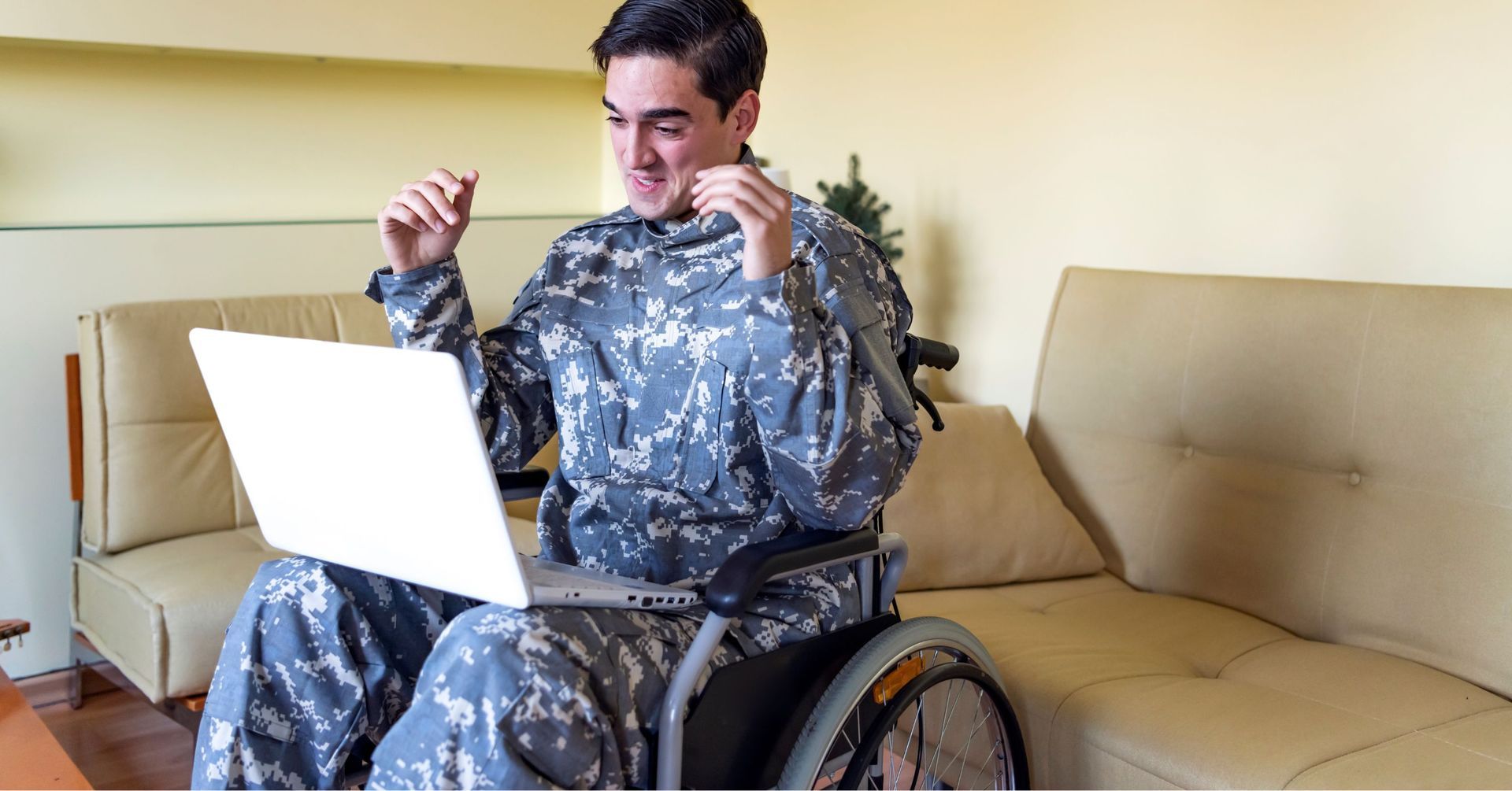
Bathrooms are statistically one of the most dangerous rooms in any home due to wet surfaces and tight spaces. For veterans with mobility limitations, these risks are magnified. Prioritizing bathroom modifications is a critical first step.
Essential handicap home upgrades for the bathroom include:
- Grab Bars: Professionally installed grab bars near the toilet, in the shower, and by the tub provide vital support for stability and balance.
- Zero-Threshold Showers: Removing the curb or step into a shower eliminates a major trip hazard, allowing for easy roll-in access for wheelchairs or walkers.
- Walk-In Tubs: These tubs feature a watertight door, allowing the user to step in safely without having to navigate a high tub wall.
- Raised-Height Toilets: A taller toilet reduces the strain and effort required to sit down and stand up, a simple but highly effective modification.
- Non-Slip Flooring: Installing textured tile or other non-slip surfaces provides better traction and significantly reduces the risk of falls.
Enhancing Kitchen Functionality and Safety
The kitchen is often called the heart of the home, but it can be a frustrating space for those with limited reach or mobility. Thoughtful modifications can restore a veteran's ability to prepare meals and enjoy this central living area. Consider these accessible home modifications for the kitchen:
- Adjustable-Height Countertops: Sections of countertops that can be raised or lowered accommodate seated users, making food prep accessible for everyone.
- Pull-Down Shelving: This hardware brings the contents of upper cabinets down to a reachable level, eliminating the need for risky step stools.
- *Lever-Handle Faucets: These are easier to operate than traditional knobs for individuals with limited hand strength or arthritis.
- Side-Swing Oven Doors:
Ovens with side-opening doors provide safer and easier access to hot food, especially from a seated position.
Creating Accessible Entryways and Mobility Solutions
A truly accessible home starts before you even get inside. Entryways, hallways, and stairs are common barriers that can isolate a veteran within their own home. Implementing effective veteran mobility solutions is key to community connection and freedom. Focus on these crucial upgrades for seamless movement:
- Ramps and Zero-Step Entries: A permanent or modular ramp is essential for wheelchair and walker users. Creating at least one zero-step entrance is a primary goal.
- Wider Doorways: Widening doorways to at least 36 inches allows for the comfortable passage of wheelchairs and other mobility devices.
- Stairlifts: For multi-level homes, a stairlift is a safe and reliable way to navigate stairs, preventing falls and preserving access to the entire house.
- Secure Handrails: Ensure sturdy, continuous handrails are installed on both sides of all stairways and outdoor steps.
Funding Your Modifications: Veteran Support Services
The cost of modifications should not be a barrier to a safe home. Fortunately, numerous veteran support services and grants are available through the U.S. Department of Veterans Affairs (VA) to help cover the expenses of medically necessary home improvements.
Key VA grants to explore include:
Specially Adapted Housing (SAH) Grant: Helps veterans with certain severe, service-connected disabilities build, remodel, or purchase an adapted home.- Special Home Adaptation (SHA) Grant: For veterans with specific service-connected disabilities, this grant helps adapt a home they already own or will own.
- Home Improvements and Structural Alterations (HISA) Grant: This grant provides funding for medically necessary improvements to a veteran's primary residence for any disability, whether service-connected or not.
Navigating the application process can be complex. Working with a knowledgeable provider of
home accessibility services can significantly streamline this process.
Choosing the Right Partner for Your Project
Selecting the right company to perform these vital modifications is crucial. You need a partner who not only has construction expertise but also deeply understands the unique needs of the veteran community. Look for a team committed to providing respectful, high-quality service.
When searching for a contractor, prioritize a warrior services company that:
Specializes in Accessibility: Ensure they have extensive experience with universal design and ADA (Americans with Disabilities Act) standards.- Understands VA Grants: A qualified partner can assist you with the VA grant application process, from paperwork to final inspection.
- Provides Comprehensive Consultations: They should conduct a thorough in-home assessment to recommend the most effective solutions for your specific needs.
- Has Strong References:
Ask for testimonials from other veterans and their families to verify their reputation and quality of work.
Reclaiming Independence with Accessible Living Solutions!
Implementing accessibility modifications for veterans is a powerful investment in a future of independence, safety, and dignity. These changes empower our nation's heroes to live comfortably and confidently in the homes they love, surrounded by the communities they know and love.
Don't let an inaccessible environment dictate your quality of life. By leveraging expert services and available VA resources, you can transform your house into a true home, a place of comfort, security, and freedom.
Contact a specialist today
to begin the journey toward a more accessible future.