Ceiling Lifts for Home: Safe Mobility Solutions
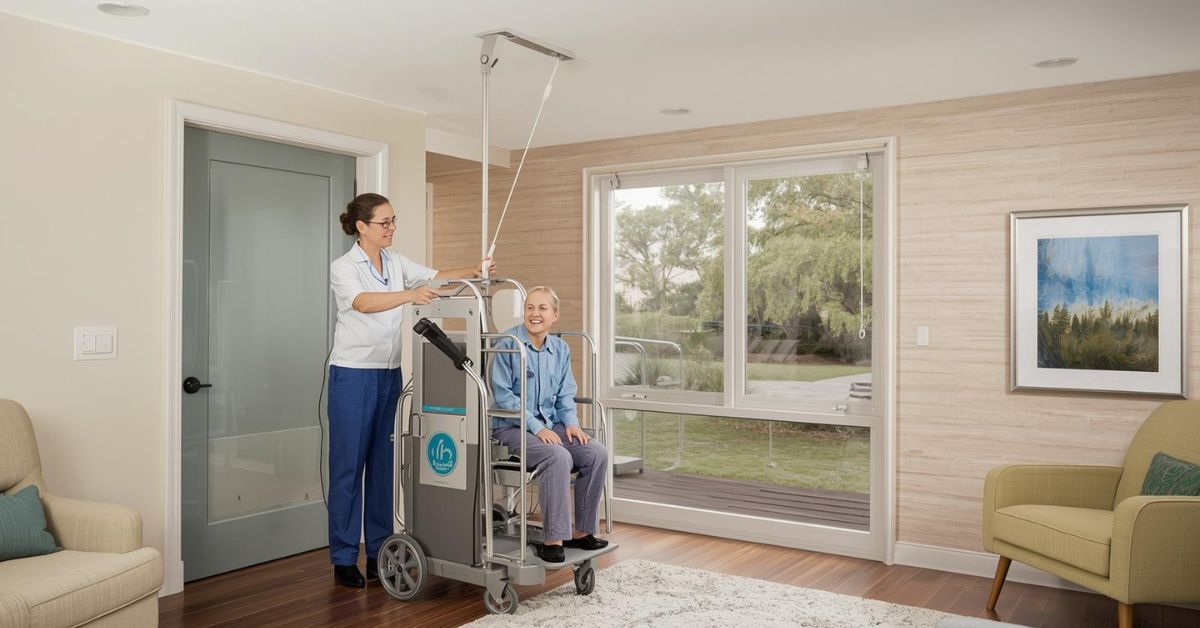
For individuals with limited mobility and their dedicated caregivers, daily transfers can be a source of significant physical strain and anxiety. The risk of a fall or injury looms large, impacting both safety and peace of mind. Fortunately, modern technology offers a powerful solution that restores dignity and security: ceiling lifts for home use.
These sophisticated systems are more than just equipment; they are a gateway to greater independence and a cornerstone of effective
aging-in-place solutions. This comprehensive guide will explore everything you need to know about home ceiling lift systems, from their core benefits to the critical importance of professional installation.
What Exactly is a Home Ceiling Lift System?
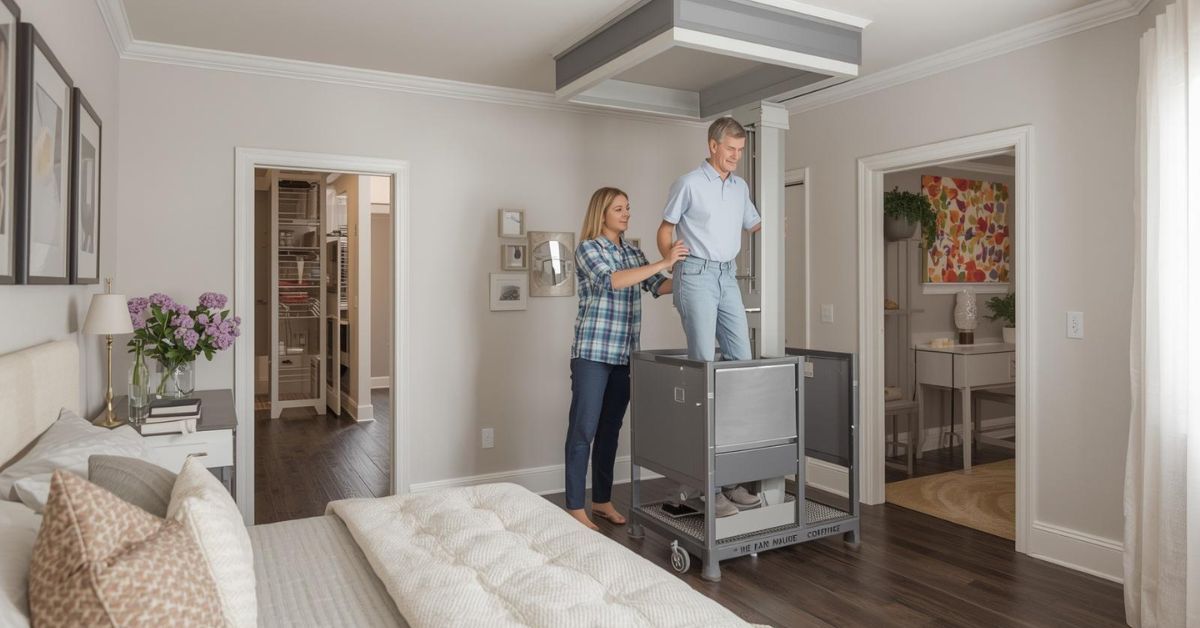
A home ceiling lift system is a motorized lift that moves along a track mounted securely to the ceiling. Unlike traditional floor lifts (such as Hoyer lifts), which are often bulky and require significant clear floor space to operate, a ceiling lift is unobtrusive and always ready for use.
The system consists of three main components: the ceiling track, the lift motor (or cassette), and a sling that safely and comfortably supports the individual. Using a simple handheld remote, a caregiver can effortlessly lift, move, and lower the person, navigating them from a bed to a wheelchair, a commode, or into a bathtub with minimal
physical effort.
The Unmatched Benefits of a Mobility Lift for Home
Integrating a ceiling lift into a home care plan provides transformative advantages for both the user and the caregiver. The benefits go far beyond simple convenience, directly impacting health, safety, and overall quality of life.
Drastically Reduced Risk of Injury: For caregivers, a ceiling lift virtually eliminates the heavy lifting that leads to back, neck, and shoulder injuries. For the user, it provides stable, controlled movement, dramatically lowering the risk of falls during transfers.- Enhanced Dignity and Comfort: Transfers become a smooth, gentle, and dignified process. This removes the fear and discomfort often associated with manual handling, fostering a more positive and respectful care environment.
- Superior Space Efficiency: By utilizing overhead space, these systems free up valuable floor area. This is a game-changer in smaller rooms, eliminating the need to navigate cumbersome floor equipment.
- Increased Accessibility: A well-designed track system can provide access to multiple areas in a room or even connect different rooms. This makes it possible to safely transfer a person directly into a bathroom or living area, a key component of disability home accessibility.
- Empowering Caregivers: As a vital piece of caregiver transfer equipment, a ceiling lift allows a single caregiver to perform transfers that might otherwise require two people, reducing fatigue and burnout.
Types of Ceiling Lifts: Finding the Right Fit for Your Home
Not all home ceiling lift systems are created equal. The right choice depends on the specific needs of the user, the layout of the home, and whether the need is temporary or permanent.
1. Permanent Systems
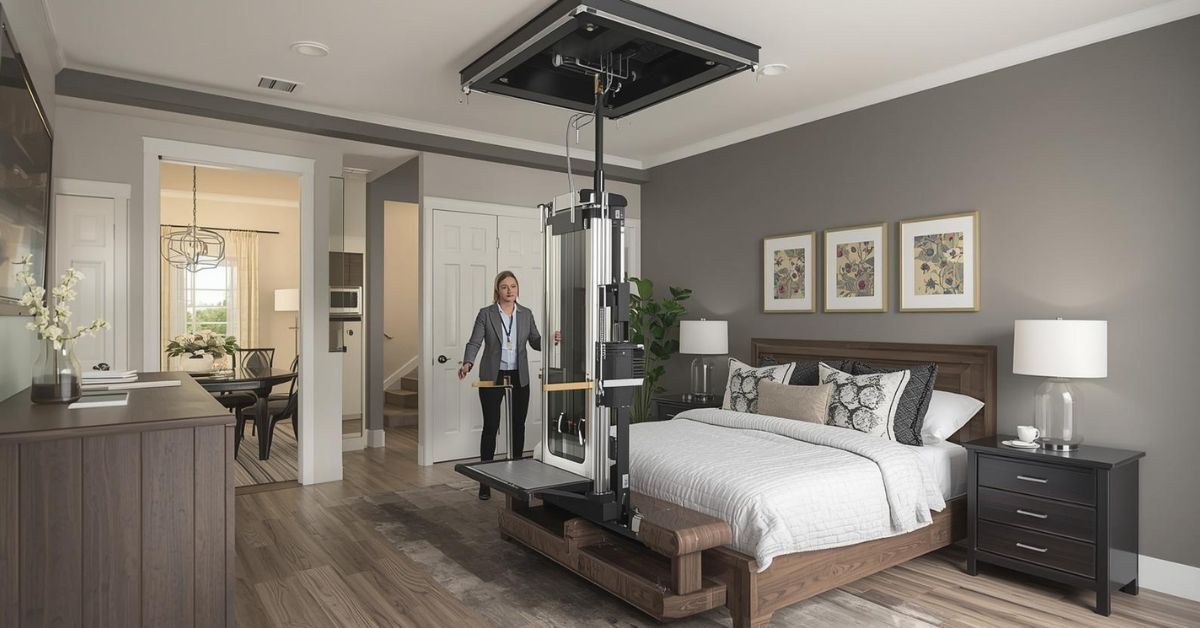
These are the most common and versatile options. A custom track is securely and
permanently installed into the ceiling structure. They can be configured in several ways, including a simple straight track for point-A-to-point-B transfers (e.g., bed to wheelchair) or a more complex H-system (also called an X-Y gantry) that provides full coverage of an entire room.
2. Freestanding Systems
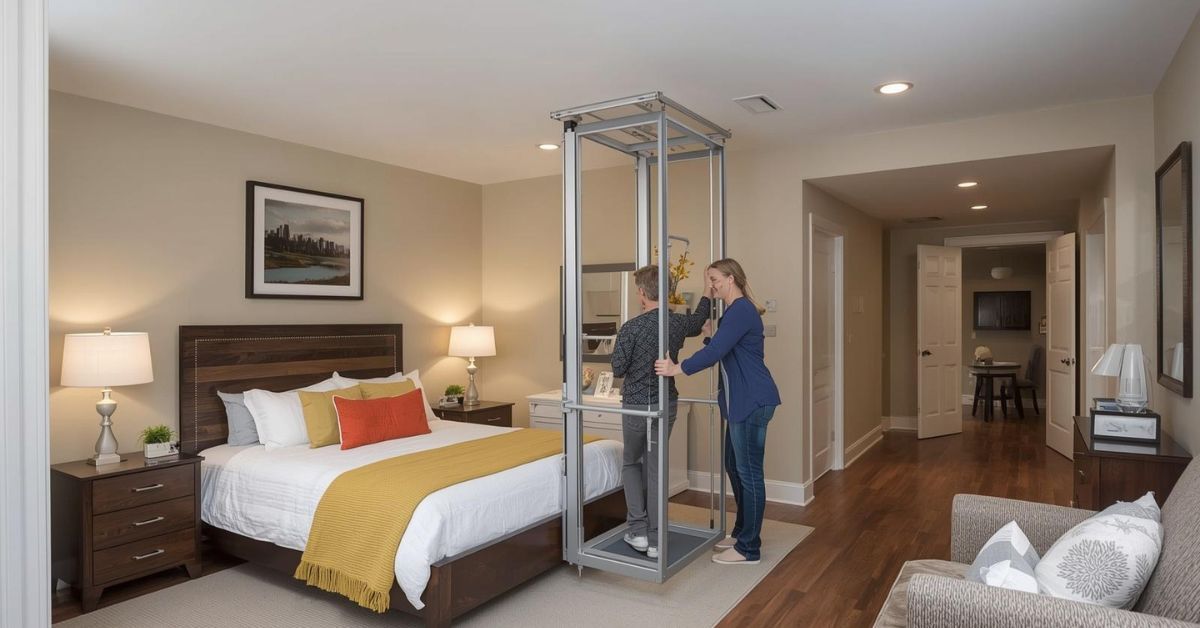
These are non-permanent solutions that use a frame to support an overhead track. They are an excellent option for renters or for situations where permanent installation isn't feasible. While effective, they have a larger footprint on the floor and may have lower weight capacities than permanent models.
Key Considerations Before Choosing Your System
Making the right choice requires a thoughtful assessment of several factors. Rushing this decision can lead to a system that doesn't fully meet your needs. Consider these critical points:
The User's Needs: What is the user's weight? What are the specific transfer points needed (bed, bath, chair)? What type of sling will be most comfortable and supportive for their condition?
The Home's Structure: A professional evaluation is necessary to determine if the ceiling joists can support the required load. Ceiling height, doorways, and the desired path of travel will all influence the design of the track system.
The Caregiver's Role: The system should be intuitive and easy for the primary caregiver to operate. Consider factors like the battery charging process and the simplicity of the hand controller.
Future Needs:
Think about the long-term. Will the user's mobility needs change over time? Investing in a more versatile system now can be a wise choice for effective aging-in-place solutions.
The Critical Importance of Professional Patient Lift Installation
We cannot stress this enough: patient lift installation is not a do-it-yourself project. The safety and reliability of the entire system hinge on a secure and professional installation by a certified technician. An expert installer does more than just attach a track to the ceiling.
A professional installation process includes a thorough structural assessment of your home to identify the strongest mounting points. They use specialized hardware and techniques to ensure the track can handle well beyond its maximum rated load. After installation, they conduct rigorous load testing and provide comprehensive training for caregivers on operating the system
safely and effectively.
Entrusting this task to a professional is a non-negotiable investment in the safety of your loved one. It ensures the system functions flawlessly and provides the peace of mind you deserve.
Conclusion: Investing in Safety, Dignity, and Peace of Mind
Ceiling lifts for the home are a profound investment in the well-being of your entire family. They are a powerful tool that transforms a high-risk daily task into a safe, dignified, and effortless routine. By reducing physical strain on caregivers and providing secure mobility for users, these systems empower a higher quality of life for everyone involved.
If you are exploring ways to enhance home accessibility and create a safer environment, a mobility lift for the home should be at the top of your list.
Consult with a home
accessibility specialist today to discover how a custom-designed ceiling lift system can restore unparalleled safety and independence in your home.